
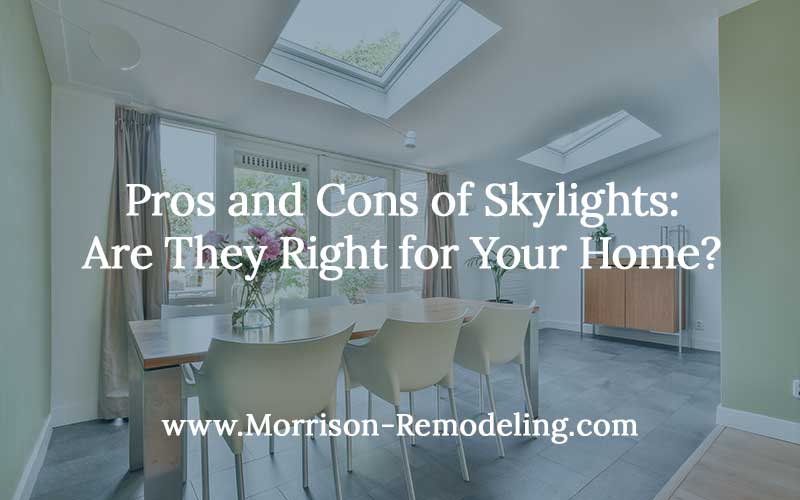
Skylights can be a great way to brighten up your home, but like any home improvement, they have their pros and cons. On the plus side, skylights bring in natural light, improve ventilation, and can even lower energy costs. However, they also have downsides, such as potential heat loss, leaks, and higher installation costs. Understanding the pros and cons of skylights will help you decide if they’re the right fit for your space.
What is a Skylight?
A skylight is a window installed in a roof or ceiling to bring natural light into a room. They’re typically made of glass or plastic and come in various shapes and sizes. Skylights can brighten up spaces, making them feel more open and airy. They’re popular in areas like attics, kitchens, and bathrooms where you need extra light.
When choosing skylights, it’s important to understand the difference between venting and fixed options.
- Venting skylights can open to let fresh air in. This makes them great for areas prone to humidity like kitchens and bathrooms. They help with ventilation, reducing moisture buildup and improving air circulation.
- Fixed skylights, on the other hand, don’t open. They provide a continuous source of natural light without the added ventilation feature.
While both options brighten up your space, venting skylights offer the bonus of improved airflow. Fixed skylights are ideal for spaces where extra ventilation isn’t needed.
Benefits of Skylights
Let the Sunshine In
One of the most obvious benefits of installing skylights is the increased natural light. Whether it’s a dark kitchen, a windowless bathroom, or an attic bedroom, skylights flood your space with sunlight. This makes rooms feel larger, warmer, and more inviting. Plus, natural light has been shown to boost mood and productivity. This is an added perk to your daily life.
Save on Energy Costs
Skylights can help reduce your reliance on artificial light, which in turn, lowers your energy bills. By letting sunlight in to brighten your space during the day, you can cut down on electricity usage. And if you opt for energy-efficient skylights, they can also help regulate indoor temperatures. This keeps your home warmer in the winter and cooler in the summer.
Improved Ventilation
Venting skylights are a great way to improve airflow in your home. In rooms like kitchens and bathrooms, where humidity can build up, having the option to open a skylight can quickly vent moisture, odors, and heat. This not only keeps your home feeling fresh and prevents mold and mildew from forming.
Add Value to Your Home
Installing skylights can increase the market value of your home. They are a popular feature among homebuyers because they enhance natural lighting, improve energy efficiency, and create a more modern, airy feel to any space. Whether you’re planning to sell soon or just want to enjoy the benefits yourself, skylights are a great investment.
Connect with the Outdoors
A skylight offers a view of the sky, bringing the outside in. Whether it’s watching the stars from your bedroom or enjoying a sunny afternoon in the living room, skylights help you feel more connected to the natural world. This connection can make your home feel more serene and relaxing, enhancing the overall atmosphere.
Disadvantages of Skylights
While there are many benefits to adding skylights to areas of your home where it may need some extra light, they also come with some potential drawbacks to consider:
- Heat Gain and Loss: Skylights can let in a lot of heat during the summer and allow heat to escape during the winter if not properly insulated or glazed. This can lead to higher energy bill.
- Potential Leaks: Improper installation or poor sealing can lead to leaks, especially during heavy rain or snow. Water damage can be costly if not addressed quickly.
- Glare and UV Exposure: Too much direct sunlight can cause glare in certain rooms, making it uncomfortable to use the space. Skylights can also allow harmful UV rays in, which may fade furniture or flooring over time.
- Installation Costs: Skylight installation can be more expensive than traditional windows because of the need to cut into the roof, install proper flashing, and potentially modify the structure.
- Cleaning and Maintenance: Because skylights are overhead, cleaning them can be difficult, especially in hard-to-reach areas. Dirt, debris, or condensation buildup can affect their appearance and functionality.
Knowing these drawbacks will help you make an informed decision when considering skylights for your home.
Skylight Installation
Ready to install a skylight in your home? Remember skylight installation requires careful planning and professional expertise for a successful outcome. The location of the skylight is key. Installing it where it can capture the most natural light while avoiding obstructions like beams or wires is crucial. Depending on the roof type and structure, different methods may be used, such as curb-mounted or deck-mounted skylights. Proper sealing is essential to prevent leaks, and energy-efficient glazing options can help regulate temperature and reduce UV exposure. While it’s tempting to DIY, hiring a professional ensures the skylight is installed safely and effectively. This maximizes the benefits without risking structural damage or water infiltration.
Conclusion
When considering the pros and cons of skylights, it’s clear that they can offer a lot of benefits, such as increased natural light and improved ventilation. But you also need to consider the potential downsides like heat loss, leaks, and maintenance challenges. By weighing the pros and cons of skylights carefully, you can decide if this feature is worth the investment for enhancing your home’s comfort and style.
Have any other questions about skylights or their installation? Request a consultation with our licensed and insured contractor for your home improvement project.